My Child Is Always Constipated: What's Really Going On and How to Help Naturally

✨ At a Glance
Constipation is one of the most common gut concerns I see in children — and it's rarely just about needing more fibre
Root causes include microbiome imbalance, low digestive enzymes, nervous system stress, and food sensitivities
Gentle naturopathic support using herbal medicine, probiotics and nutrition can restore comfortable, regular bowel habits
If your child has been struggling for more than a few weeks, book a consultation here →
What is constipation?
According to the Rome Criteria (the gold standard for defining chronic constipation) constipation must include two or more of the following:
· Straining (more than 25% of the times)
· Lumpy or hard stool (more than 25% of the times)
· Sensation of incomplete evacuation (more than 25% of the times)
· Sensation of blockage (more than 25% of the times)
· Manual manoeuvres to facilitate a movement (more than 25% of the times)
· Fewer than three soft bowel movements per week
· Insufficient criteria for IBS (irritable bowel syndrome)
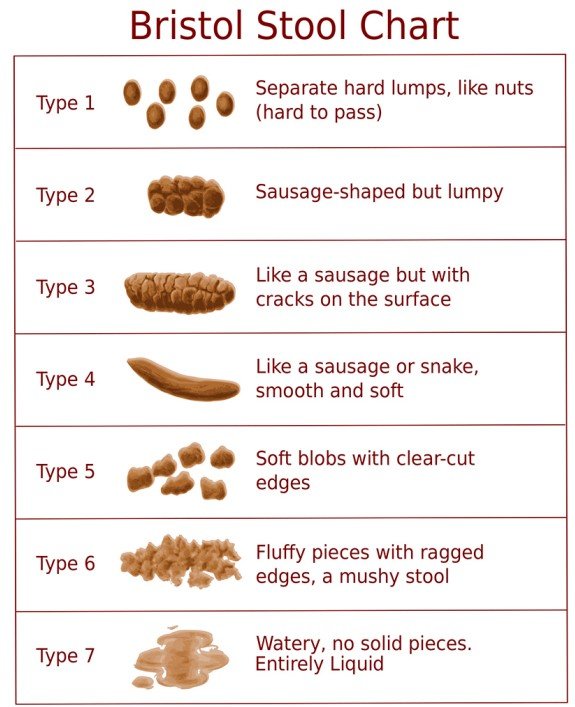
Constipation according to the Bristol stool chart (types 1 and 2)
If your child strains, skips days, or avoids the toilet altogether - you are not alone. Constipation is one of the most common concerns parents bring to me in clinic, and one of the most frustrating, because the standard advice (eat more fibre, drink more water) often only partially helps.
The truth is, when constipation keeps coming back despite dietary changes, something deeper is usually going on.
What "normal" actually looks like
A healthy bowel pattern for a child means soft, formed stools that pass easily, at least three to four times per week and ideally daily. Stools that are hard, pellet-like, painful to pass, or infrequent - even if your child isn't complaining, are worth paying attention to. When you look at the Bristol Stool Chart, you're aiming for types 3 and 4: smooth, sausage-shaped, and comfortable.
What I look for beyond fibre and fluids
In my clinic, I often see children whose constipation persists because the underlying drivers have not been identified. The most common ones I find include:
Microbiome imbalance. The gut microbiome plays a direct role in regulating bowel motility. When beneficial bacteria are low — often following antibiotics, illness or a restricted diet — the colon can become sluggish. No amount of extra vegetables will fully compensate for a dysbiotic gut.
Low digestive enzyme output. If a child is not producing adequate enzymes to break down food, undigested material can build up and slow transit. This is more common than most parents realise, and a stool microbiome test can reveal it directly.
Food sensitivities. Certain foods, particularly dairy and gluten, are common contributors to sluggish bowels in children with sensitivities. The reaction is not always dramatic or immediate — sometimes it quietly slows digestion over time.
Nervous system tension. Many sensitive children hold tension in their gut. If your child tends to avoid public toilets, delays going when they feel the urge, or has constipation that worsens during stressful periods like school transitions or illness, the nervous system is likely involved.
Magnesium deficiency. Magnesium is essential for smooth muscle relaxation throughout the digestive tract. Many children are low, particularly if they eat a restricted diet or have had recurrent illness. Supplementing with the right form of magnesium can make a significant difference.
What gentle naturopathic support looks like
Every child is different, so the plan we build together always reflects their individual picture - their history, their temperament, what they eat, and how their body responds. But some of the most common areas I support include:
Rebuilding the microbiome with specific probiotic strains and prebiotic foods, rather than a generic off-the-shelf probiotic. Certain strains have strong clinical evidence for improving bowel regularity in children.
Supporting digestive enzyme function with gentle herbal bitters, warm lemon water before meals, or practitioner-grade enzyme support where needed.
Identifying food sensitivities carefully and practically — not through overly restrictive elimination diets, but through a thorough case history and, where helpful, functional testing.
Calming the nervous system's influence on the gut using herbal medicine such as chamomile, lemon balm and marshmallow root, which soothe a tense, reactive digestive tract gently and safely.
Addressing magnesium and other nutrient gaps that affect muscle tone and transit.
Simple rhythms that support regularity at home
While we work on the root causes, a few consistent daily habits can make a real difference:
Eating breakfast every morning activates the gastrocolic reflex — the natural signal that tells the colon it is time to move. A warm meal works better than something cold or rushed.
Elevating your child's feet on a small stool while on the toilet creates a more natural squatting position that makes passing a bowel motion much easier, especially for smaller children.
Warm herbal teas after dinner — chamomile or fennel — gently calm the digestive tract and support overnight motility.
Reducing screen time during meals and creating calm, unhurried eating moments helps the nervous system switch into the rest-and-digest state that digestion actually requires.
Regular outdoor movement every day — even a short walk — stimulates gut motility naturally.
A story from the clinic
A seven-year-old girl came to me having been constipated since she started solids. She would go four or five days between movements, always with straining and discomfort, and had developed real toilet anxiety as a result. Her mum had tried increasing fibre, cutting dairy, and two different over-the-counter probiotics with limited success.
We ran a microbiome test, which revealed low levels of key commensal bacteria, reduced short-chain fatty acid production, and signs of mild yeast overgrowth - all of which were contributing to her sluggish transit. We introduced a targeted probiotic, added a gentle herbal blend to calm the gut lining, and made one specific dietary adjustment based on her test results.
Within four weeks, her bowel movements were daily. Within six weeks, the toilet anxiety had settled. Her mum described the shift as transformative.
That is what becomes possible when we understand what the body is actually asking for.
When to seek support
If your child has been constipated for more than a few weeks, is experiencing pain or distress around toileting, or if dietary changes have not resolved the pattern, it is worth exploring what is driving it. Chronic constipation in children does not usually resolve on its own, and the longer it persists, the more it can affect microbiome diversity, gut lining integrity, and even mood and behaviour.
Book a children's naturopathy consultation →
If you'd like to learn more about how I support children's gut health more broadly, visit my dedicated children's gut health page →
With warmth, Ayelet x
About Ayelet Ayelet Center is a naturopath, herbalist and nutritionist based in Surry Hills, Sydney, with online consultations available Australia-wide. She specialises in children's gut, immune and nervous system health, including PANS/PANDAS, and supports women through perimenopause and hormonal shifts. Ayelet is a Certified Paediatric Microbiome Clinician and a member of ATMS. Learn more →
References:
Lynda Gripatrick, 2023, A Practical Approach to Constipation (Designs for Health webinar).
Dr. Leila Masson, 2023, Nutrition webinar.
Here's a chart to help you figure out if your child is constipated:
Disclaimer
The information provided in this blog is for your personal or other non-commercial, educational purposes. It should not be considered as medical or professional advice. We recommend you consult with a GP or other healthcare professional before taking or omitting to take any action based on this blog. While the author uses best endeavours to provide accurate and true content, the author makes no guarantees or promises and assumes no liability regarding the accuracy, reliability or completeness of the information presented. The information, opinions, and recommendations presented in this blog are for general information only and any reliance on the information provided in this blog is done at your own risk. Any third-party materials or content of any third-party site referenced in this blog/article/handout do not necessarily reflect the author’s opinion, standards or policies and the author does not assume any liability for them whatsoever.