Could Folate Be the Missing Piece in PANS?
✨ At a Glance
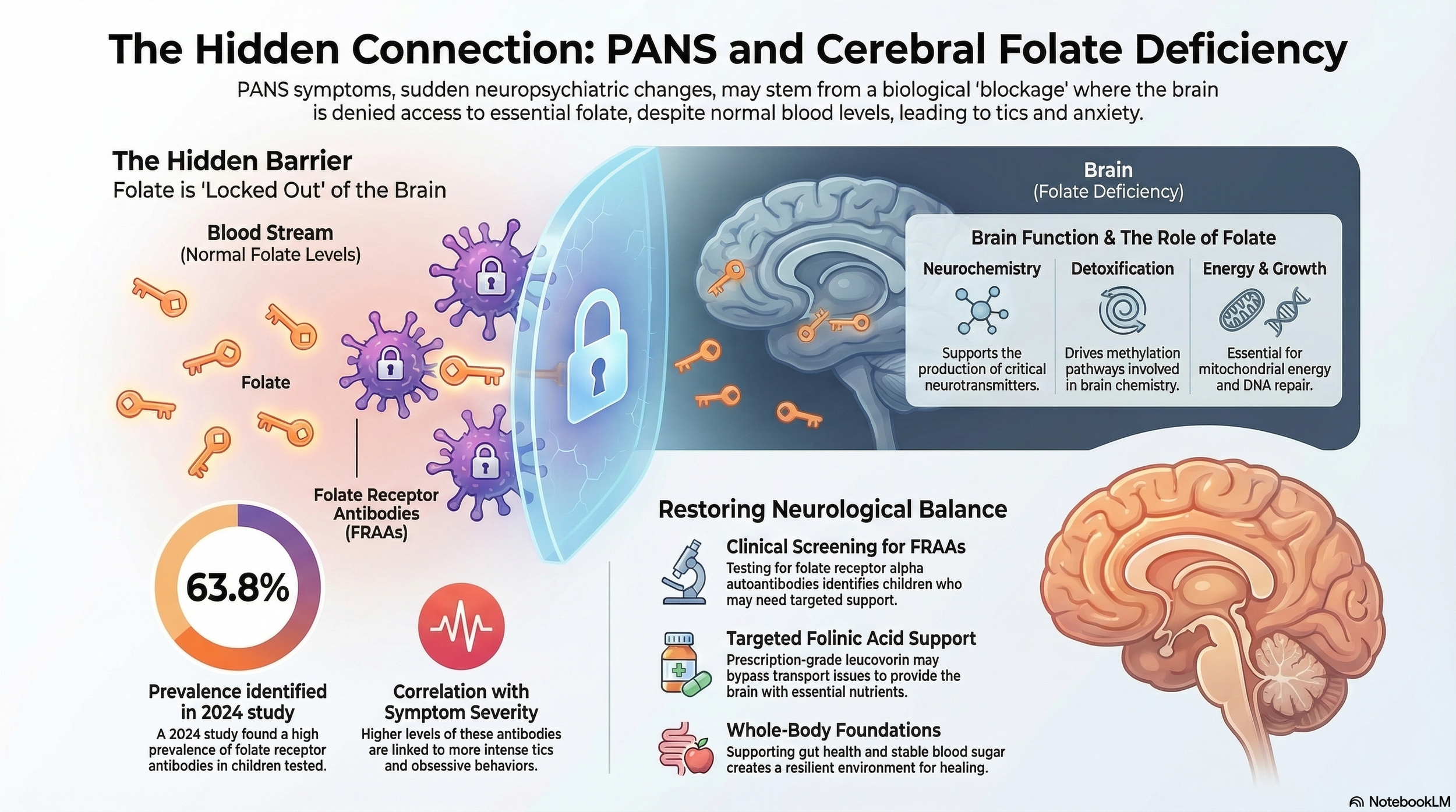
A 2024 study found folate receptor antibodies in 63.8% of 47 children with PANS/PANDAS
These antibodies can stop folate crossing into the brain, so a child's brain can run short even when blood levels look normal
This is called cerebral folate deficiency, and it may contribute to tics, OCD and anxiety in some children
The research is early but promising, and screening for these antibodies may be worth discussing with a PANS-aware practitioner
Emerging research suggests folate may be a missing piece for some children with PANS and PANDAS. A small 2024 study found folate receptor alpha autoantibodies (FRAAs) in 63.8% of 47 children diagnosed with PANS or PANDAS. These antibodies can interfere with the transport system that carries folate across the blood-brain barrier, meaning a child's brain may be short of folate even when blood tests look completely normal, a situation known as cerebral folate deficiency. The findings are preliminary, but they suggest that screening for FRAAs may be worth discussing with a PANS-aware practitioner.
When a child develops sudden anxiety, tics, OCD behaviours or emotional outbursts after an illness, parents often ask the same question.
How could my child change so quickly?
PANS (Paediatric Acute-onset Neuropsychiatric Syndrome) is known for its sudden onset. A child who seemed well can begin experiencing intense anxiety, behavioural changes or neurological symptoms within days or weeks of an infection.
Many families are told the trigger is an infection such as strep, but this is only part of the picture.
A growing area of research suggests that for some children, the brain may also be struggling to access key nutrients needed for healthy neurological function. One of the most studied examples is folate.
What Does Folate Do in the Brain?
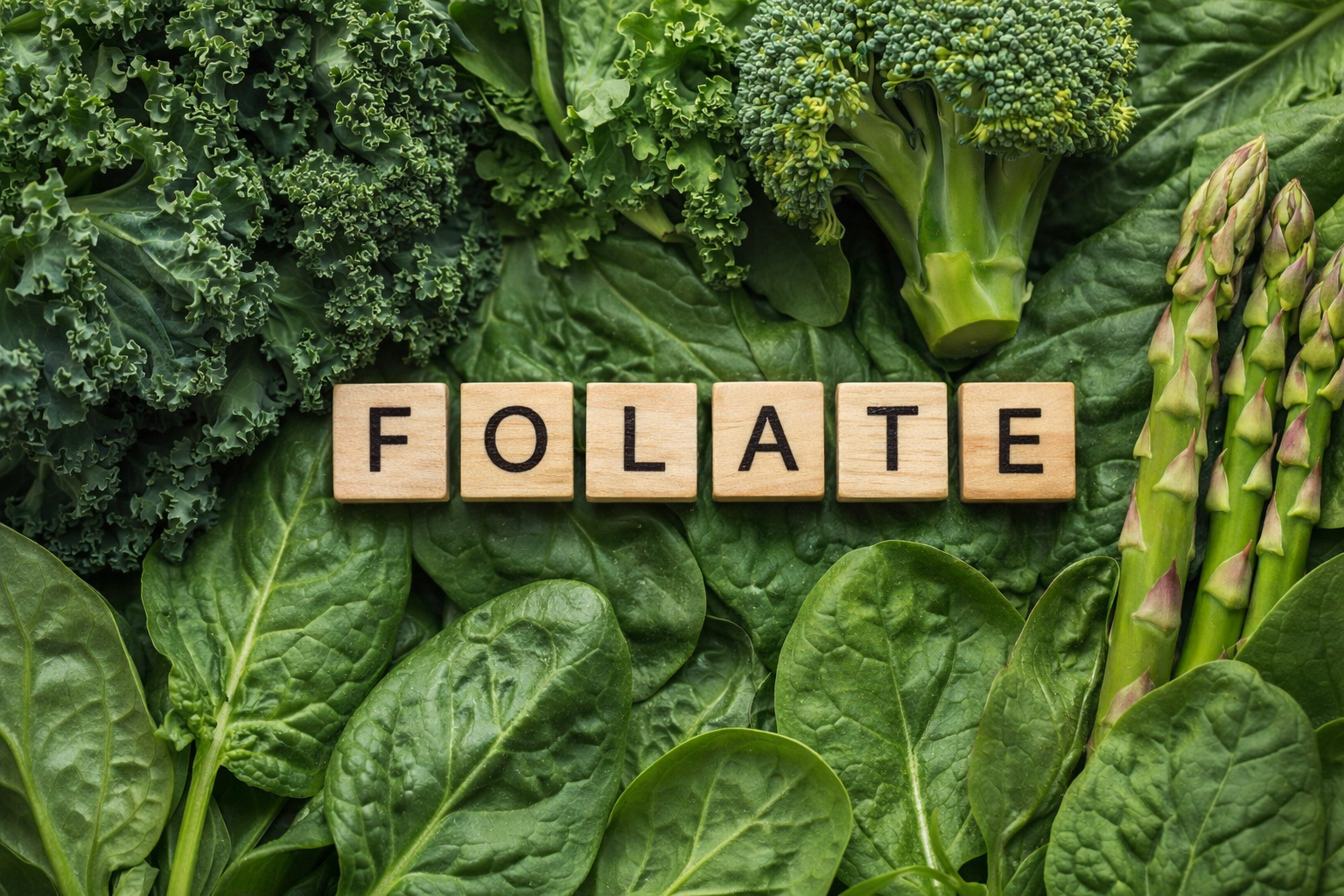
Folate is a B vitamin that plays a critical role in brain development and nervous system regulation. Inside the brain, folate helps support:
• neurotransmitter production
• methylation pathways involved in detoxification and brain chemistry
• mitochondrial energy production
• DNA repair and cell growth
In children, these processes are especially important because the brain is still developing. Even small disruptions can affect mood, cognition, behaviour and neurological regulation.
Can a Child Have Enough Folate but Still Be Deficient in the Brain?
Surprisingly, yes.
Folate normally travels from the bloodstream into the brain using a specialised transport system called the folate receptor alpha. However, research has shown that some children produce autoantibodies that attack this receptor. When this happens, folate may not be able to cross the blood–brain barrier effectively.
This condition is known as cerebral folate deficiency. Importantly, this can occur even when blood folate levels appear normal on routine testing. In other words, the body may have folate, but the brain cannot access it properly.
What Does the Research Show About PANS and Folate Receptor Antibodies?
A 2024 study by Wells, O’Hara, Frye and colleagues, published in the Journal of Personalised Medicine, investigated folate receptor alpha autoantibodies (FRAAs) in children with PANS and PANDAS. This was the first study of its kind to examine this connection directly.
The study found FRAAs in 63.8% of the 47 children tested. The researchers also observed that higher FRAA levels were associated with more severe tic symptoms.
It is important to note that this was a small retrospective study without a blinded control group, so the findings are preliminary. That said, they point to a potentially significant overlap between immune activation, folate transport and neurological symptoms. The authors concluded that screening children with PANS for FRAAs may be a worthwhile clinical step.
Could This Explain Symptoms Like Tics, Anxiety or OCD?
Possibly. Cerebral folate deficiency has been associated with a range of neurological symptoms, including:
• sudden tics or movement changes
• obsessive thoughts or compulsive behaviours
• anxiety and emotional dysregulation
• cognitive difficulties
• developmental regression
These symptoms overlap with what many families observe in PANS. This does not mean folate receptor antibodies explain every case, but it does suggest that nutrient transport and immune activation may interact in complex ways within the brain.
Why Would the Immune System Attack Folate Receptors?
This is still being explored, but several possible factors are under study. Children with PANS often experience:
• immune responses following infections
• gut–brain inflammation
• altered microbiome balance
• increased oxidative stress
These factors may contribute to the development of autoantibodies that interfere with normal neurological function. This is one reason why many practitioners take a whole-body approach when supporting children with neuroinflammatory conditions.
One intriguing thread in the wider research: folate receptor antibodies appear able to cross-react with folate receptors naturally present in cow's milk. In children with cerebral folate deficiency, researchers found that antibody levels fell on a milk-free diet and rose again when dairy was reintroduced. This has not yet been studied in PANS specifically, so it is an area for professional discussion rather than a reason to remove dairy on your own, but it is one example of how diet, immunity and brain nutrient transport may be more connected than they first appear.
Could Folinic Acid Help Some Children?
Some children who test positive for FRAAs may respond to folinic acid, a form of folate that can sometimes bypass transport issues.
It is worth noting that the 2024 study specifically used prescription-grade leucovorin rather than over-the-counter folinic acid supplements. The researchers noted that the form and brand of folate matters significantly for bioavailability. This distinction is clinically important, and it is one reason this approach requires professional guidance rather than self-directed supplementation.
Case reports and early clinical observations suggest some children experience improvements in neurological symptoms, but the evidence base in PANS specifically remains early-stage. Every child is different, and understanding the underlying drivers is essential before introducing targeted nutrients.
How Does This Fit into the Gut–Brain–Immune Connection?
When we look at PANS through a functional lens, several systems are often interacting at the same time:
• immune activation following infection
• neuroinflammation in the brain
• gut microbiome imbalance
• mitochondrial stress
• disruptions in methylation or nutrient pathways
Rather than focusing on a single trigger, many families find it helpful to explore how these systems influence each other. Supporting a child’s nervous system often involves gently restoring balance across these interconnected areas.
What Gentle Rhythms Help Support Brain and Nervous System Health?
While every child’s treatment plan is individual, some daily rhythms can support neurological resilience:
• nutrient-dense whole foods rich in natural folate such as leafy greens and legumes
• regular meal patterns to stabilise blood sugar
• calming evening routines that support nervous system regulation
• time outdoors and exposure to natural light
• supporting gut health and digestion
Small, consistent changes often help create a foundation for deeper healing work.
What Should Parents Do If They Suspect PANS or Cerebral Folate Issues?
If your child experienced a sudden change in behaviour, mood or neurological symptoms following an illness, it can feel confusing and overwhelming.
Many parents are told the symptoms will simply pass, yet for some children the underlying drivers remain unresolved. Looking more closely at immune health, nutrient pathways and the gut–brain connection can sometimes provide helpful answers. This is where a personalised assessment becomes important. If this resonates with what you're seeing in your child, I'd love to help you find answers. A free 10-minute clarity call is the easiest place to start.
A Gentle Word
When a child changes suddenly, parents often feel they are the only ones searching for answers. You are not alone.
In clinic, I work with families who have noticed sudden shifts in their child’s behaviour, sleep, mood or neurological health after infections or immune stress. Each child’s story is unique, and understanding the root contributors often requires looking beyond the surface symptoms.
With the right support, many children gradually regain balance and resilience.
If you would like support exploring possible root causes behind your child's symptoms, a free 10-minute call is the easiest place to start. We'll talk through what you're seeing, and I'll tell you honestly whether a full consultation is the right next step. Together we can look at your child's history, patterns and health timeline to create a personalised path forward.
*If you are new to PANS and wondering why your child’s symptoms appeared so suddenly, you may find it helpful to read my article explaining why some children change overnight in PANS.
Frequently asked questions
What are folate receptor antibodies? Folate receptor alpha autoantibodies (FRAAs) are immune proteins that attack the receptor responsible for carrying folate across the blood-brain barrier. When these antibodies block or bind to the receptor, the brain may not receive enough folate even though the rest of the body has plenty.
Can a child have normal blood folate but still be low in the brain? Yes. Standard blood tests measure folate in the bloodstream, not in the brain. If folate receptor antibodies are interfering with transport across the blood-brain barrier, brain folate can be low while blood results look completely normal. This is called cerebral folate deficiency, and it is one reason routine testing can miss the picture.
How common are folate receptor antibodies in children with PANS? A 2024 study of 47 children diagnosed with PANS or PANDAS found folate receptor antibodies in 63.8% of them, with higher antibody levels associated with more severe tics. The study was small and preliminary, so larger research is needed, but the authors suggested screening children with PANS for these antibodies may be a worthwhile clinical step.
Is folic acid the same as folinic acid? No, and the difference matters. Folic acid is the synthetic form used in fortified foods and many supplements, and it must be converted by the body before use. Folinic acid (known in prescription form as leucovorin) is a reduced form that can bypass some of those conversion steps and, in some children, work around transport problems. The research in this area used prescription leucovorin under medical supervision, not over-the-counter products.
Should I give my child folinic acid supplements? Not without professional guidance. The form, dose and quality all matter significantly, the research used prescription-grade leucovorin, and targeted nutrients work best when the underlying drivers have been properly assessed. Speak with your GP and a PANS-aware practitioner before introducing anything, so testing can guide the decision.
About the Author
Ayelet is a Sydney-based clinical naturopath, herbalist, nutritionist and homeopath, and the founder of Botanic Artisan Bespoke Holistic Health. She specialises in root-cause, evidence-informed care for women and children, with a focus on children’s gut, immune and nervous system health, PANS/PANDAS, sleep and behavioural regulation, and hormonal balance during perimenopause.
She holds formal qualifications in naturopathy, herbal medicine, nutrition and homeopathy and supports families across Australia through personalised, gentle and practical treatment plans. Through her clinical work, Ayelet has supported many children with complex chronic health concerns including PANS, neuroinflammation and gut-brain dysregulation.
Her work integrates herbal medicine, nutrition, homeopathy and functional testing, combining modern science with traditional wisdom to restore balance, resilience and long-term wellbeing.
Learn more about her clinical approach:
https://www.botanicartisan.com.au/about
Book a consultation:
https://www.botanicartisan.com.au/booking
Reference
Wells A, O’Hara N, Frye RE, et al. Folate Receptor Alpha Autoantibodies in Children with PANS/PANDAS. Journal of Personalised Medicine. 2024. Available at: https://pmc.ncbi.nlm.nih.gov/articles/PMC10890663/
Disclaimer
The information provided in this blog is for your personal or other non-commercial, educational purposes. It should not be considered as medical or professional advice. We recommend you consult with a GP or other healthcare professional before taking or omitting to take any action based on this blog. While the author uses best endeavours to provide accurate and true content, the author makes no guarantees or promises and assumes no liability regarding the accuracy, reliability or completeness of the information presented. The information, opinions, and recommendations presented in this blog are for general information only and any reliance on the information provided in this blog is done at your own risk. Any third-party materials or content of any third-party site referenced in this blog/article/handout do not necessarily reflect the author’s opinion, standards or policies and the author does not assume any liability for them whatsoever.